
Is OptiLight IPL Worth It for Severe Dry Eye? What Patients Need to Know
Blog:Is OptiLight IPL Worth It for Severe Dry Eye? What Patients Need to Know
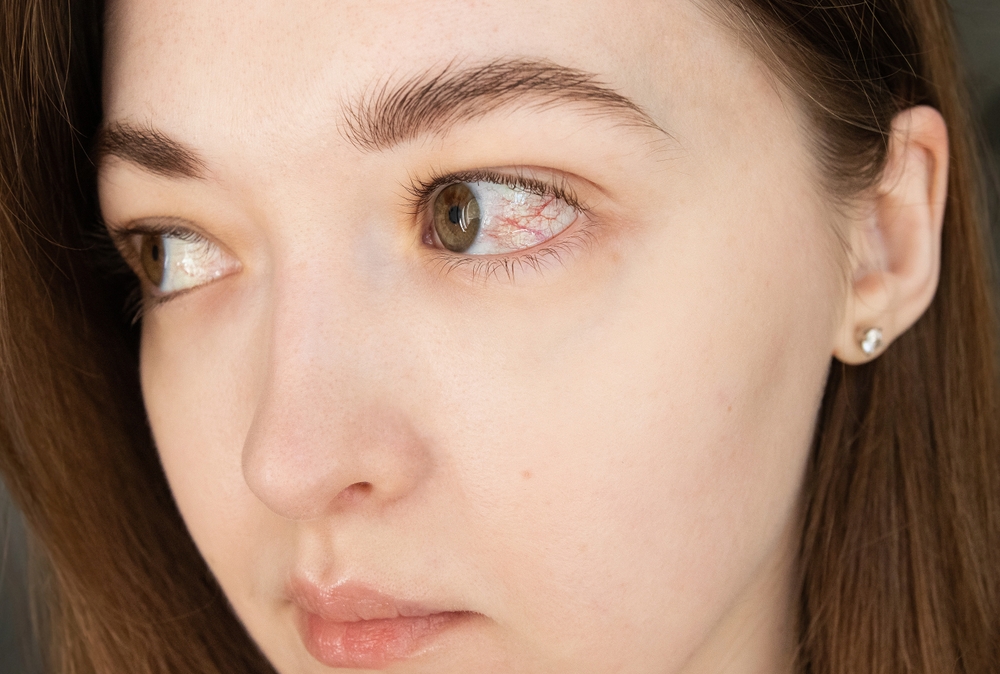
If frequent burning, blurred vision, or a gritty sensation continue despite artificial tears, the problem may be more than temporary dryness. For many patients, persistent symptoms are related to meibomian gland dysfunction (MGD), which disrupts the protective oil layer of tears. At Wood Eyecare Centers, we offer OptiLight intense pulsed light (IPL) therapy as an option for certain forms of dry eye disease. Whether it is worth pursuing depends on what is causing your symptoms and how your eyes respond to treatment.
Why Severe Dry Eye Needs More Than Lubricating Drops
Dry eye can develop when tears evaporate too quickly, when the eyes produce too few tears, or both. In MGD, the oil-producing glands along the eyelids become obstructed or inflamed. Without a stable oil layer, tears evaporate more quickly, contributing to irritation, fluctuating vision, and discomfort during reading or screen time.
Lubricating drops may relieve symptoms temporarily, but they do not always address eyelid gland dysfunction. We evaluate the tear film, eyelid glands, and ocular surface before recommending more targeted treatment.
How Does OptiLight IPL Work?
OptiLight uses controlled pulses of light on the skin near the eyes to help reduce inflammation associated with MGD. It may improve oil gland function and tear stability in appropriately selected patients, particularly those with inflammatory eyelid conditions such as ocular rosacea. The eyes are protected throughout the procedure.
Sessions are generally brief, often around 15 minutes, and a typical initial series involves four treatments spaced several weeks apart. Some patients notice improvement during the series, while others need more time or additional care. Results vary, and maintenance may be necessary.
When Is IPL Worth Considering?
For patients whose symptoms remain disruptive despite conservative care, OptiLight may be worth discussing when an examination identifies MGD. Signs include:
- Burning, stinging, or a gritty feeling that returns despite drops
- Fluctuating vision or irritation after prolonged screen use
- Repeated eyelid inflammation or a history of ocular rosacea
- Blocked eyelid oil glands or poor-quality oil found during an exam
These signs alone do not confirm that IPL is the right treatment. We also consider skin type, medications, and other health factors that affect suitability.
What Can OptiLight Do for Severe Dry Eye?
Research suggests IPL can reduce dry eye symptoms in some patients with MGD, but it is not a cure and does not work equally well for everyone. Severe symptoms may also arise from low tear production, corneal surface damage, or other conditions that IPL does not directly address.
For that reason, we may recommend combining IPL with measures such as lid hygiene, lubricating or prescription drops, or treatment of associated eyelid conditions. A targeted plan is more useful than choosing a procedure based on symptom severity alone.
How Do We Determine Whether It Is Worth It?
The answer depends on the likely benefit, number of sessions, cost, and whether your diagnosis matches the treatment's intended use. We discuss what improvement would realistically look like, how progress will be measured, and whether further care may be needed. No procedure can guarantee permanent relief, but the right treatment may help make daily symptoms more manageable.
To find out whether OptiLight IPL is appropriate for your dry eye, contact Wood Eyecare Centers in Lilburn, GA at (770) 978-2990, Lawrenceville, GA at (770) 237-8820, or Monroe, GA at (770) 267-2573 to schedule an evaluation.
Helpful Articles
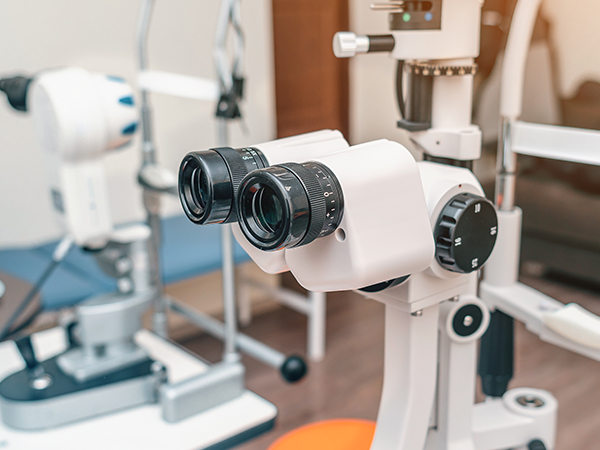
All Eyecare Services
We offer a wide variety of eye care services to the Lilburn community. Contact us with any questions about our services.
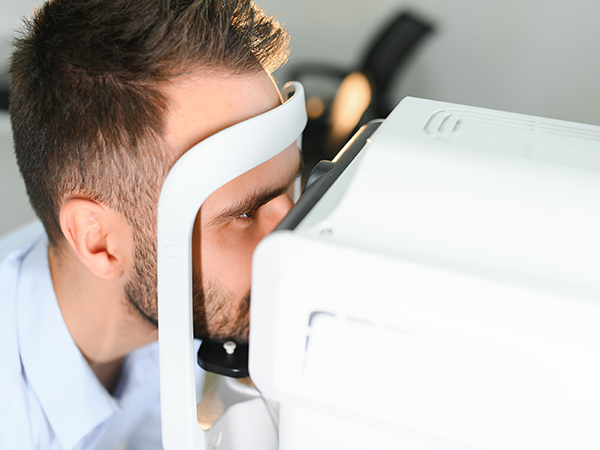
Keep In Touch
For non-urgent questions or to learn more about our services, contact us today!

Quick Links
Our Services
Contact Info
Hours of Operation
Hours of Operation
Visit Website
- Monday 9:30 am - 6:00 pm
- Tuesday 9:00 am - 6:00 pm
- Wednesday 9:30 am - 6:00 pm
- Thursday Closed
- Friday 9:00 am - 6:00 pm
- Saturday 9:00 am - 1:00 pm
- Sunday Closed
- Closed for
lunch daily 1:00pm - 2:00 pm
- Monday Closed
- Tuesday 9:00 am - 6:00 pm
- Wednesday 9:30 am - 6:00 pm
- Thursday 9:30 am - 6:00 pm
- Friday 9:00 am - 6:00 pm
- Saturday 9:00am - 1:00 pm
- Sunday Closed
- Closed for
lunch daily 1:00pm - 2:00 pm
© 2026 Wood Eyecare Centers. All rights Reserved - Accessibility Statement - Privacy Policy - Sitemap
Managed and Designed by 